
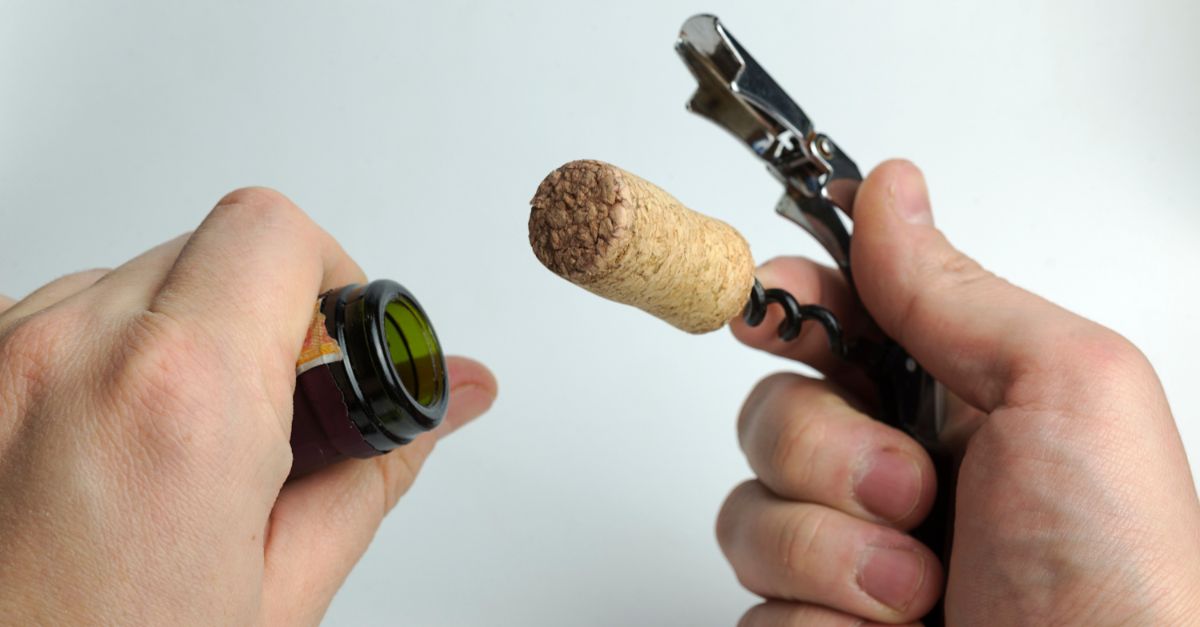
Have you got some wine left in a bottle and don’t know how to preserve open wine for several days? Don’t worry, you’re in the right place to clear up any doubts and extend the life of that bottle for as long as you need.
How to Preserve Open Wine for Several Days
To preserve wine once you have opened a bottle, the best option is to reseal it tightly using either its original cork or a vacuum stopper. Then, store it upright in the fridge to slow down oxidation. By doing this, you can keep red wines in good condition for 3 to 4 days, while white or rosé wines can last between 2 and 3 days.
Why Should Open Wine Be Stored in the Fridge?
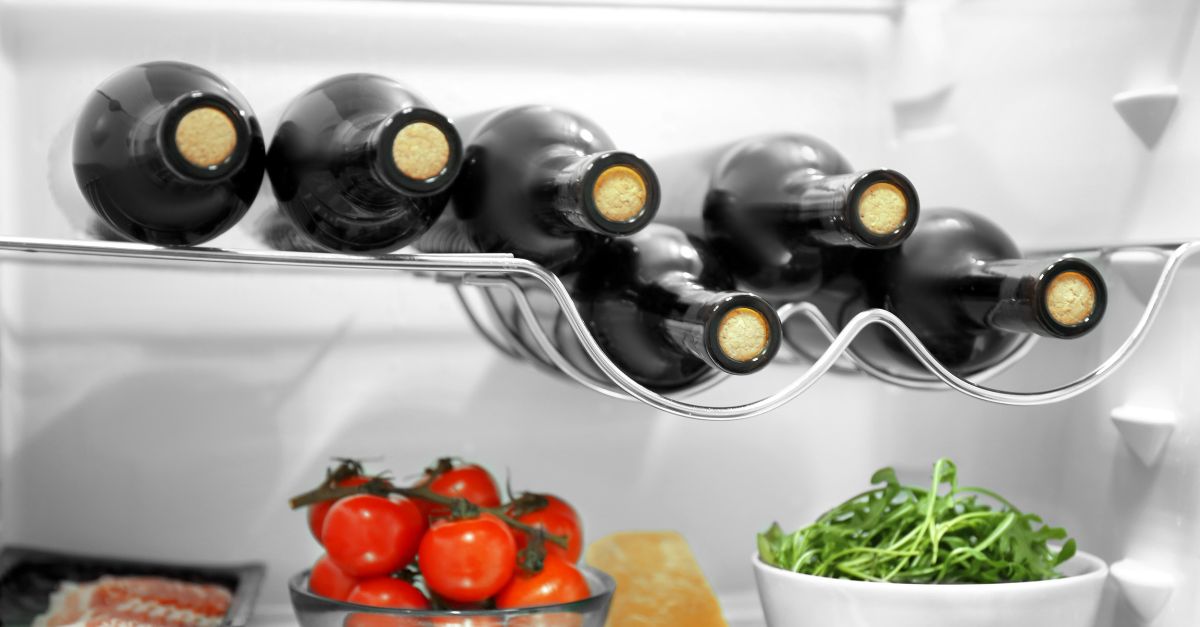
Keeping open wine in the fridge is essential if you want the remaining wine in the bottle to stay in perfect condition for longer. The main reason is that cold temperatures slow down oxidation and the chemical degradation process that begins when wine comes into contact with air.
Therefore, by placing wine in the fridge, you help preserve its aromas and flavours for a longer period, preventing it from spoiling within hours if left outside, especially in warm environments.
How Long Does Each Type of Wine Last Once Opened?
Although the average lifespan is between 2 and 5 days, the truth is that each type of wine has its own characteristics that affect how long it can last. At WINERYON, we have created a list of the main guidelines in this regard:
- Sparkling wines (such as champagne, cava, or prosecco): These generally last between 1 and 2 days. Beyond this point, they lose their vibrant citrus acidity.
- Light white and rosé wines: These can last in the fridge for 2 to 3 days.
- Full-bodied white wines: Their lifespan ranges from 3 to 5 days.
- Young red wines: They can remain in good condition for 3 to 7 days.
- Aged or structured red wines: These usually last between 3 and 5 days.
- Fortified wines (such as Port or Sherry): These can last for weeks or even months. The main reason for this extended durability is their high alcohol content.
Key Tips for Keeping Open Wine in Optimal Condition
Since oxidation is one of wine’s main enemies, the most important thing is to control the amount of air inside the bottle. To do this, the best recommendations are the following:
1. Use a Vacuum Stopper
These types of stoppers use vacuum pumps to remove the air from the bottle. This helps reduce the chances of the wine oxidising.
2. Seal the Bottle Immediately
Do not wait too long before putting the stopper back on the bottle, even before lunch or dinner has finished if you know no more wine will be consumed. The sooner you reseal it, the less contact it will have with outside air.
3. Transfer the Wine to a Smaller Bottle
Another useful option is to pour the leftover wine into a smaller bottle. This minimises the amount of air remaining inside and in contact with the wine.
4. Store the Wine Upright
Unlike unopened wine, once opened the bottle should be stored standing upright. This reduces the surface area of the wine exposed to oxygen, as only the top layer of the liquid is in contact with the air.
5. Keep the Wine in a Cool, Dark Environment
This is why storing wine in the fridge is recommended, as it protects it from degradation while maintaining a stable temperature. Remember that low temperatures slow down the chemical reactions responsible for oxidation.
If you follow all these recommendations, you will keep the wine’s aromas and flavours intact for much longer.
Caring for Wine After Taking It Out of the Fridge
Remember that, in order to fully enjoy red wines and all their qualities, you should take them out of the fridge between 30 and 60 minutes before drinking them again. This is the recommended amount of time for any wine, whether white or red, to reach its ideal serving temperature.
